

Chancaca
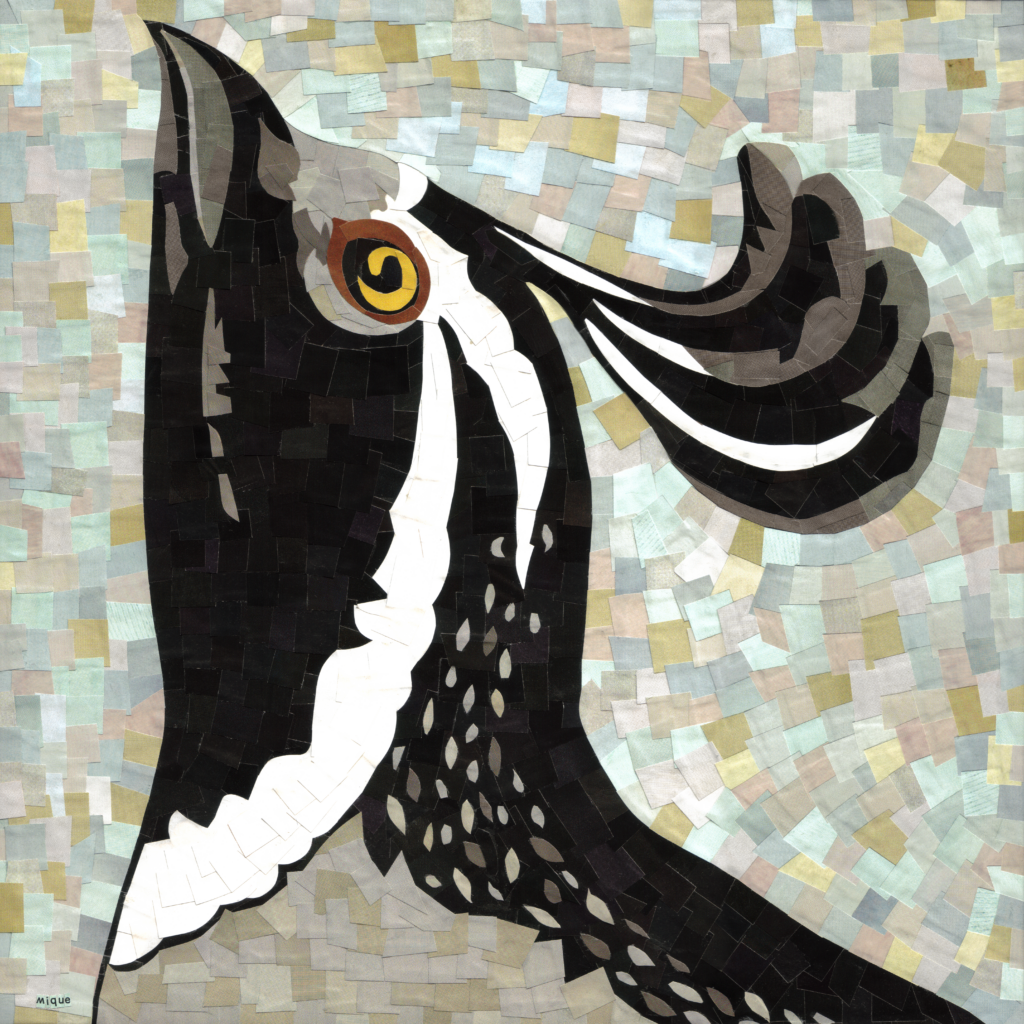
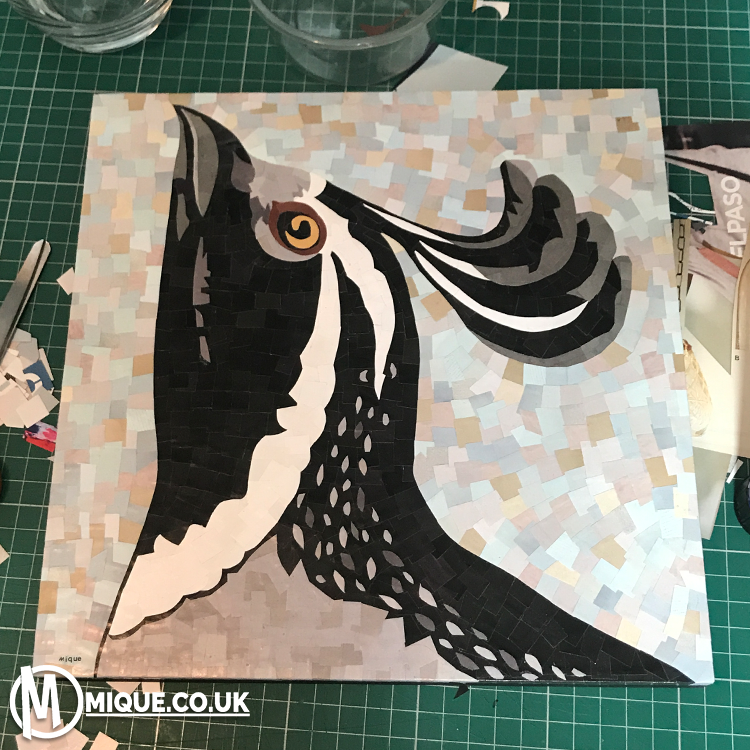
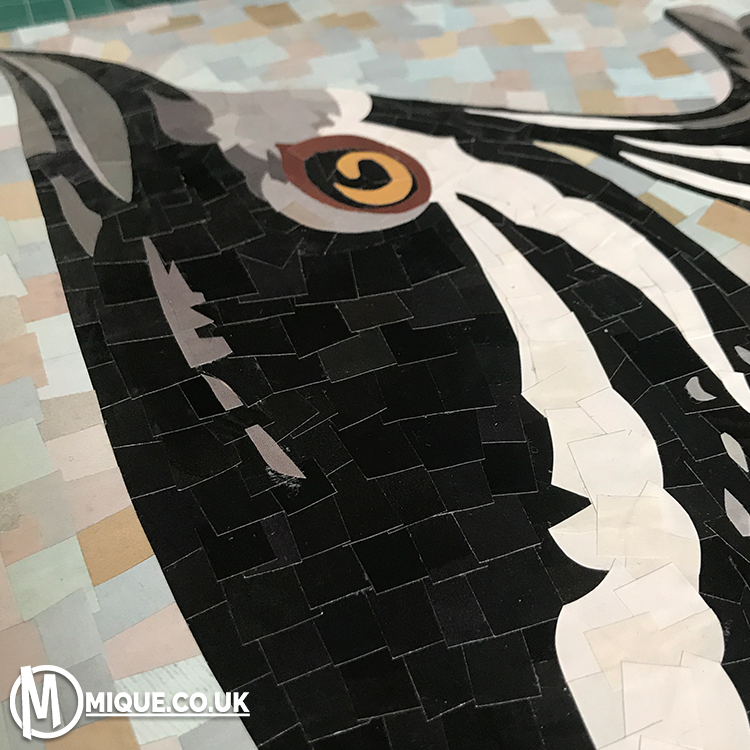
Quail bird
This beautiful, elegant—even flamboyant—bird is one of my favourites. It reminds me of my granddad, and of a childhood when we used to hunt them in our own garden.
Pudahuel, in Santiago, wasn’t as dense as it is today. In the old neighbourhoods of former Barrancas, many properties had massive plots of land where fruit trees, wild plants, and animals grew freely. It was greener, quieter, simpler—and that gave me the privilege of growing up in a home that, although not the prettiest, had everything a child needed to grow up curious and healthy.
Every now and then, in summer, among the plum trees and grapevines, we would hear a particular birdsong repeating over and over, making us wonder what could be behind it. “Chancaca, chancaca,” I used to hear, never knowing what it was—until one day I finally saw it. A beautiful quail landed on the pathway near the kitchen, and as I followed it, it sang again: “chancaca, chancaca.”
I was fascinated. I wanted it—I needed it—as a pet, to watch every day as it happily sang for me. My granddad, eager to help—and probably thinking more about the delicious meat these birds can provide—borrowed an old birdcage and helped me set a trap, leaving grains and water to lure the poor bird in. It wasn’t difficult. In less than an hour, I had my very own quail, trapped in a rusty cage hanging from the acacia tree outside the kitchen window.
I was so excited. I named it “Chancaca,” like the dark sugary ingredient used to make sopaipillas pasadas. I cared for it with real love—leaving food and water, digging up worms, catching flies, even trying to pet it—hoping it would sing for me. But it didn’t.
The bird stayed three days in the cage, not eating, not singing, and it made me uneasy. Then one evening, just as the sun was setting behind the Coastal Mountains, painting the sky red and cooling the air, it began to sing again: “chancaca, chancaca.” Another quail had appeared, watching from a higher branch of the acacia tree.
“My bird feels lonely,” I thought. So now I needed to catch the other one, so they could be together—happy—in the little rusty cage. My granddad helped me again, and after a couple of hours, the visitor fell into the trap and ended up sharing the small cage.
They looked miserable. They could hardly move, and they were no longer singing. That made me sad—though my granddad seemed pleased. “More meat,” he must have thought. It wasn’t fair. It wasn’t fun. It wasn’t worth it. The birds wouldn’t eat or sing; they were clearly stressed and afraid. And the idea of my granddad eating them shattered my little fantasy. So I decided to let them go.
I realised they probably had a home somewhere—eggs waiting to be incubated, or chicks waiting to be fed. I opened the cage, and out they went. As they reached the top of the acacia tree, before flying away, they sang once more: “chancaca, chancaca.”
After that, every time I heard their song, I would look around, trying to spot them among the leaves. I felt lucky to have them visit our garden now and then. And although part of me still wanted to keep them—happy, singing just for me—I never tried again. They were better off free.
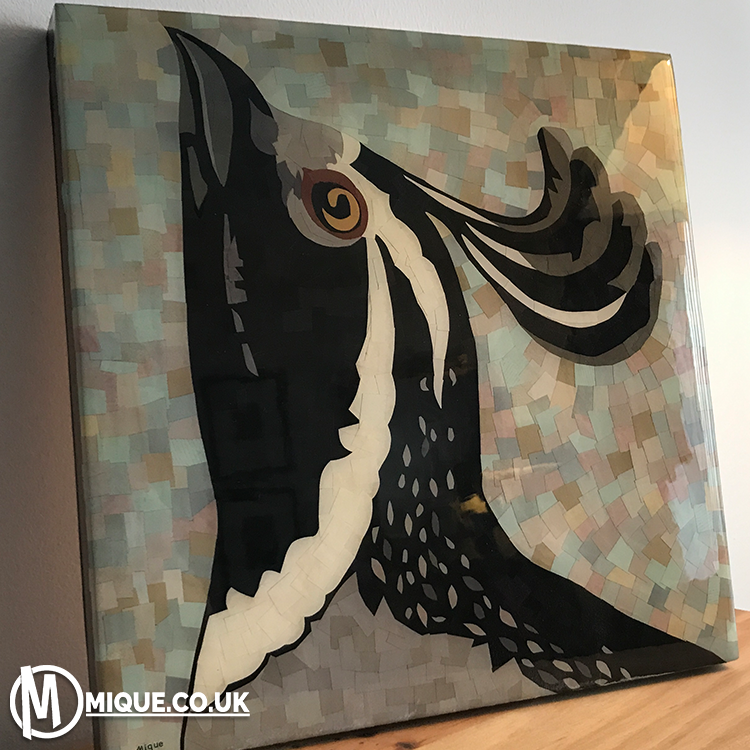
Dimensions: 25×25 CM